
15 Mudcloth Pillows for Modern Homes: A Curated Buying Guide
By Essence of the Road Art · Published July 2026
This article contains affiliate links. If you buy through them, we may earn a small commission at no extra cost to you. We only feature pieces we would live with ourselves.
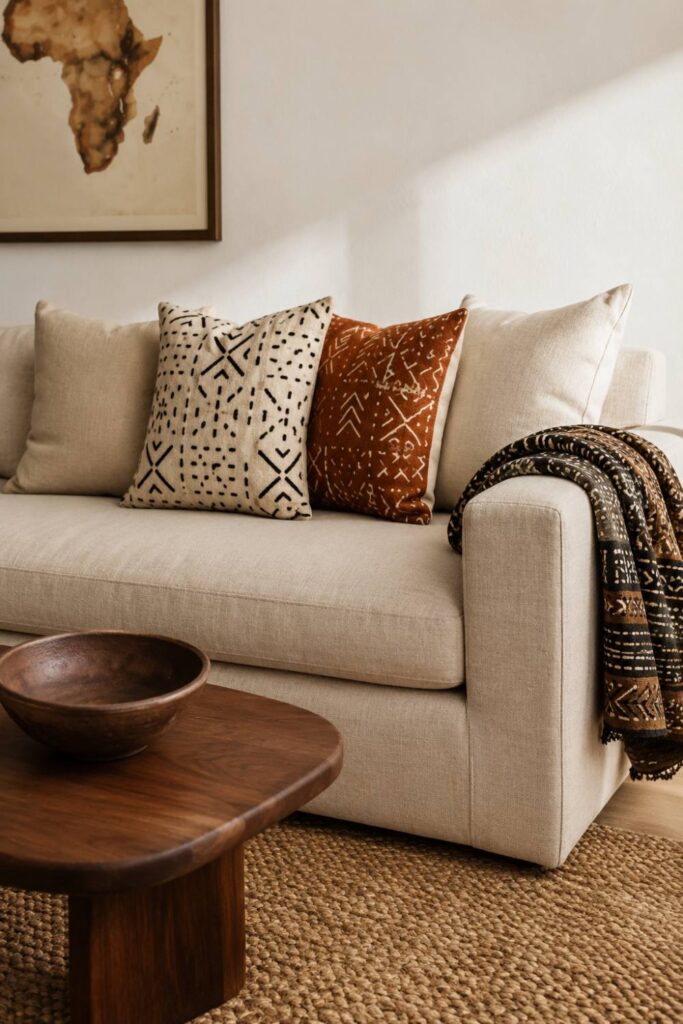
Mudcloth pillows are the single most flexible afrocentric textile upgrade a sofa or bed can take. They layer beautifully with linen and cotton, they read as cultural without tipping into costume, and their earth-tone geometry pairs with nearly any room that runs warm.
They are also a minefield of polyester fakes, which is why this is a curated guide rather than a search-results dump. Below: what separates a pillow worth buying from a printed impostor, fifteen specific picks organised by tone and budget, the three styling rules that make one pillow outperform five, and the sizing and care details that keep the purchase alive for a decade. Where a pick is authentic Bògòlanfini we say so; where it is an inspired version we say that too — the honest distinction is half of what you are paying attention for.
Quick answer: The best mudcloth pillows for modern homes balance authenticity with a disciplined earth-tone palette. Authentic Bògòlanfini from Malian makers ($60–120, mostly via Etsy) reads richest in person; well-made inspired covers ($25–50) deliver about 80% of the effect. Default to 20×20 covers, one mudcloth pillow per sofa, paired with plain oat-linen companions so the mudcloth is the room’s only patterned voice.
Table of Contents
What makes a mudcloth pillow worth buying
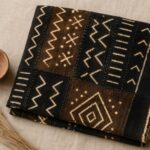
Authentic Bògòlanfini is hand-woven Malian cotton, dyed with fermented mud and plant baths in a craft tradition centuries old. The tells: irregular hand-painted pattern (lines that vary, corners that don’t quite repeat), a warm cream base rather than optical white, real weight in the hand, and a maker or cooperative named in the listing. The pattern language itself carries meaning — our African textiles guide decodes it, and knowing even a little changes how the pillow sits in the room.
Inspired versions print or embroider mudcloth-derived patterns on natural cotton, linen or canvas. The good ones name their inspiration honestly and choose natural fibres; they are the right call for households with kids, pets, or a first-time budget.
Avoid anything polyester, anything under $20 claiming authenticity, and anything on a bright white base — synthetic sheen against a linen sofa is visible from the doorway, and bright white argues with every warm tone this style is built on.
The 15 picks
Cream-base classics (picks 1–5)
1. The classic arrow-and-line Bògòlanfini, 20×20. The canonical mudcloth pillow — black hand-painted geometry on warm cream, authentic, $60–95. One of these is the single-purchase version of this entire article. Find named-maker options on Etsy.
2. The symbol-dense cream authentic, 20×20. Denser all-over pattern for rooms where the pillow is the only textile statement; the intricacy reads at close range, $70–110. Search Etsy’s authentic listings.
3. The inspired cream lumbar, 12×20. The bed and bench specialist — one lumbar in front of Euro shams is the bedroom-safe dose of pattern. Inspired versions on natural cotton run $25–40: cream mudcloth lumbar covers on Amazon.
4. The budget cream starter pair, 18×18. Machine-woven cotton, honest about being inspired, $22–35 for a pair — the right entry point for testing the palette before investing in authentic cloth. Inspired mudcloth covers on Amazon.
5. The oversized cream floor pillow, 24×24. Reading-corner and kids-room duty; scale turns the pattern architectural. Inspired, $35–55. Oversized options on Amazon.
Rust and ochre warmth (picks 6–10)
6. The rust-dyed authentic, 20×20. Bògòlanfini in the rarer rust bath — warmer, softer contrast than the black-on-cream classic, $70–120. The pillow for rooms already anchored in terracotta. Rust mudcloth on Etsy.
7. The ochre-stripe authentic, 20×20. Broad hand-painted bands rather than dense symbols — the minimalist’s mudcloth, $65–100. Search Etsy.
8. The terracotta inspired workhorse, 20×20. The best-selling tier on Amazon for a reason: natural cotton, warm palette, survives the washing machine (authentic cloth does not), $28–45. Terracotta mudcloth covers.
9. The rust lumbar with fringe, 14×22. Fringe edges add the tactile layer bedrooms love; inspired, $30–48. Fringed mudcloth lumbars.
10. The mixed-warm pair: one rust + one plain oat linen. Not a single product but the smartest $50 in the guide: buy pick 8 with a plain oat-linen companion cover — the pairing rule below, pre-solved.
Deep brown and charcoal (picks 11–15)
11. The dark-dye authentic, 20×20. Bògòlanfini’s moodiest register — deep brown ground, cream pattern reversed out, $75–120. Made for caramel leather sofas. Dark mudcloth on Etsy.
12. The charcoal inspired, 20×20. The apartment-friendly version of pick 11 at $28–45, natural cotton. Charcoal mudcloth covers.
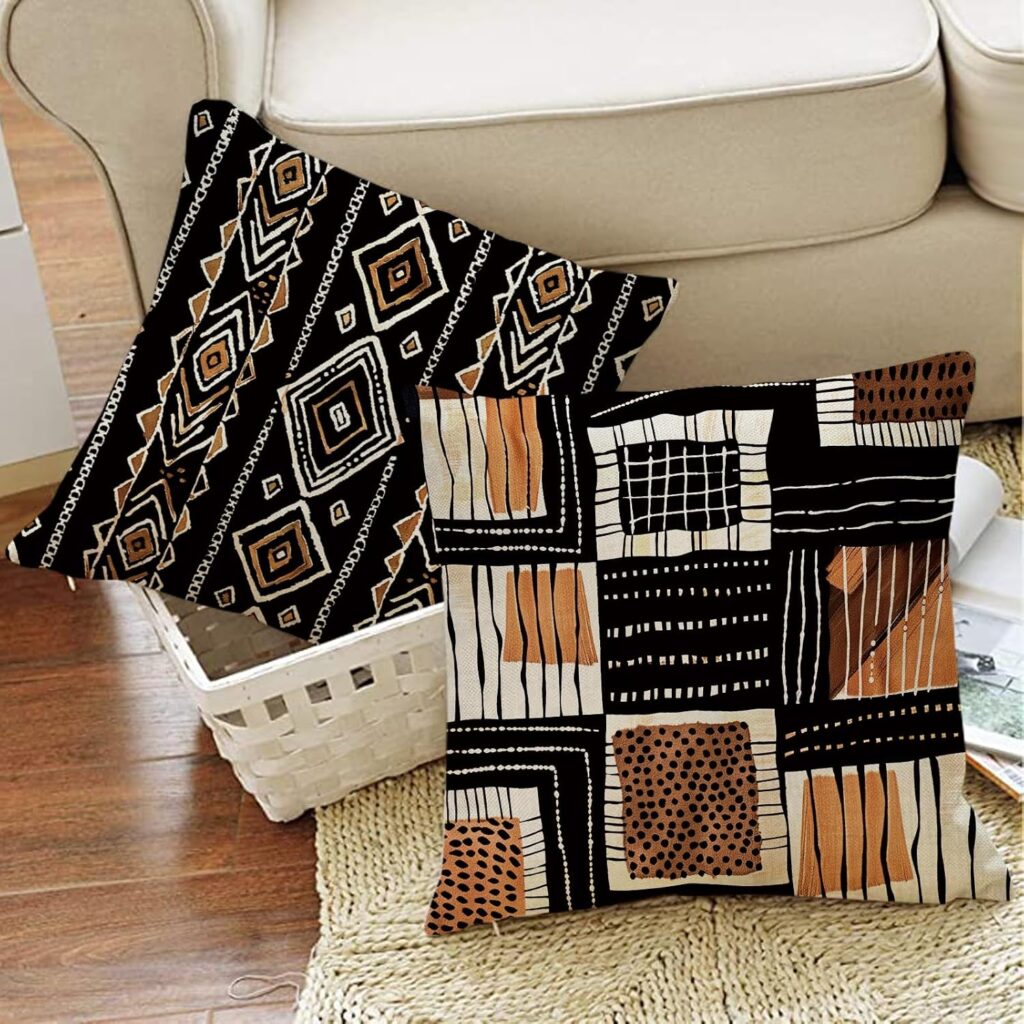
13. The brown-and-cream checkerboard authentic, 20×20. The graphic outlier — large-scale blocks instead of fine symbols; one is a statement, $70–110. Search Etsy.
14. The charcoal lumbar for the bench, 12×24. Entryway and end-of-bed duty, inspired, $26–40. Long charcoal lumbars.
15. The DIY pick: make it yourself for under $15. Plain cotton covers plus fabric paint plus one patient afternoon — our DIY mudcloth pillow covers tutorial walks every step, and Creative Fabrica’s mudcloth pattern bundles ($5–15) supply authentic-derived stencil patterns. The version with the best story per dollar in the entire list. Start with plain cotton covers and black fabric paint, follow our DIY mudcloth pillow covers tutorial, and if you would rather print the pattern than paint it, the African Mud Cloth digital paper pack gives you the motifs to work from.
Why mudcloth works in modern rooms
It helps to know why this particular textile survives the jump into contemporary interiors when so many traditional patterns don’t. Three design reasons. Contrast discipline: classic Bògòlanfini is effectively two values — deep pigment on warm neutral — which is the same restraint modern design already speaks; it reads as graphic, not busy. Scale flexibility: the patterns are composed of small repeated marks organised into large blocks, so they hold up both at armchair distance and across the room — rare in hand patterns. Material honesty: matte, heavy, visibly handmade cotton sits perfectly beside the linen, oak and wool that modern warm interiors are already made of. Mudcloth doesn’t need the room redecorated around it; it slots into what good rooms already do.
Authentic vs inspired: the economics under the ethics
The $60–120 an authentic pillow costs is not a markup on the $30 inspired version — it is a different supply chain. Real Bògòlanfini passes through a cotton weaver, a dye-maker fermenting mud for months, and the artist who paints each line, most often women working within Malian cooperatives; a fair listing price pays all three. The inspired version pays a factory and a designer once. Neither purchase is wrong — this guide recommends both tiers — but they answer different questions: inspired buys the look; authentic buys the look plus the livelihood plus an object your grandchildren can argue over. A reasonable household rule: inspired for high-wear spots (sofas with kids and dogs), authentic for the bedroom and the bench, where hands and sunlight are gentler. And whichever tier you buy, buying from sellers who tell you which tier it is keeps the whole market honest.
Three complete sofa recipes
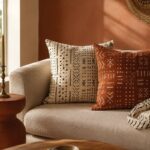
The cream linen sofa. Pick 1 (classic cream authentic) plus two plain oat-linen 20×20s, mudcloth throw from the same tone family folded on the arm. The gentlest version — pattern whispering against near-match neutrals.
The caramel leather sofa. Pick 11 (dark-dye authentic) plus one warm cream companion; the leather supplies the second texture so skip the throw. The moodiest version, and the one that photographs like a magazine spread with zero effort.
The grey sofa you already own. Grey fights this palette, so mediate: pick 8 (terracotta inspired) plus one charcoal companion (pick 12’s fabric in plain form), jute rug below to warm the floor line, and warm 2700K light to take the blue out of the grey. Not the ideal canvas, but this combination rescues it — replacing the sofa is chapter two.
Which pick for which room
Living room sofa: 1, 8 or 11 by sofa color, per the recipes above. Bedroom: 3 or 9 as the lumbar in front of plain shams — one only. Entry bench or end-of-bed: 14. Reading corner or kids’ floor: 5. Dining bench: 14 again, in washable inspired fabric. Gift for the friend who has everything: 6 or 13 with the maker’s story in the card. First-ever purchase on a tight budget: 4 now, upgrade path to 1 later. The afternoon-project crowd: 15, and send us a photo.
Mudcloth beyond the pillow
Once the pillow proves the palette, the cloth scales. A full mudcloth throw ($40–90 inspired, $120+ authentic) does at sofa-arm scale what the pillow does at cushion scale — and doubles as the removable “accent wall” trick for renters, hung flat from a wooden quilt hanger. A mudcloth table runner moves the pattern to the kitchen (idea 3 of our afrocentric kitchen guide). Upholstery is the deep end: a thrifted bench or stool re-covered in a half-yard of authentic cloth becomes the best small furniture piece in the house for under $100 total. The one place to hesitate is curtains — mudcloth’s weight blocks light beautifully but the pattern at window scale dominates a room; save that for spaces that can absorb it.
Rotation, storage and the long game
Covers, not pillows, are what you own — which unlocks the wardrobe approach. Two or three mudcloth covers rotating over the same inserts give the sofa seasons: cream authentic for the bright months, rust for autumn, dark-dye for the weeks the candles come out. Off-duty covers store flat in a drawer with a cedar block, folded pattern-side in so the painted face never creases against itself. Wash before storing, never after — set stains have a year to cure in a drawer. Ten minutes of this discipline and a good authentic cover is genuinely a decade purchase, which quietly makes it the cheapest pillow in the house per year of service.
The sixty-second buyer’s checklist
Before any purchase, five questions: Is the fibre natural (cotton, linen — never polyester)? Is the base warm cream rather than bright white? Do the pattern lines vary like a human made them? Does the price match the claim (authentic under $50 is a red flag; inspired over $80 is a different red flag)? And does the listing say plainly which one it is? Five yeses — buy it. Screenshot this paragraph; it is the entire guide in pocket form.
How to style mudcloth pillows on a modern sofa
Rule 1 — One mudcloth pillow per sofa. Two on a large sectional. Three is costume. The pattern is strong enough to carry a room at n=1; multiplying it divides it.
Rule 2 — Plain companions only. Oat linen, warm cream, undyed cotton around it — never a second pattern. The mudcloth is the room’s patterned voice, and voices need silence around them.
Rule 3 — Echo the texture once, elsewhere. A folded mudcloth throw on the chair across the room, or a clay vessel on the coffee table — one echo creates cohesion; more creates noise. The same one-voice logic runs our afro-boho bedroom guide, where the mudcloth lives at the foot of the bed instead.
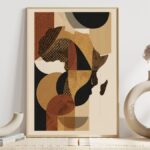
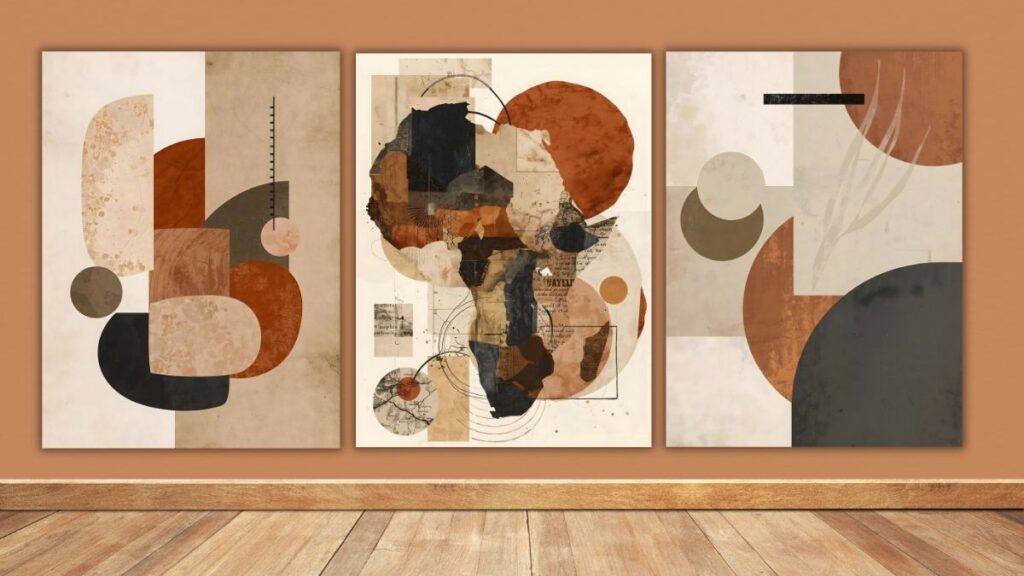
The wall completes the argument: mudcloth at sofa level wants warm, graphic art above it. An abstract Africa map in earth tones or the Earth Tone Terracotta set set of 3 speaks the same visual language from the wall, and the room clicks together.
Sizing: the 20×20 default
20×20 fits standard sofa proportions, works as a bed accent, and swaps inserts easily — buy inserts 2 inches larger than the cover (22×22 insert in a 20×20 cover) for the full, crisp look that limp store pillows never achieve. Oversized sectionals take 22×22 or 24×24; bedrooms layer 18×18 accents in front of Euro shams; benches and entries want the 12×20–12×24 lumbars.
Caring for mudcloth
Authentic Bògòlanfini: hand-wash cold with mild detergent, lay flat to dry, expect minor dye-softening the first wash — it is part of how the cloth ages, not a defect. Spot-clean between washes and keep out of prolonged direct sun. Inspired cotton versions: machine-wash cold, gentle cycle, air dry. Either way, covers outlive inserts several times over — buy the good cover, replace the cheap insert.
A pillow nobody else has
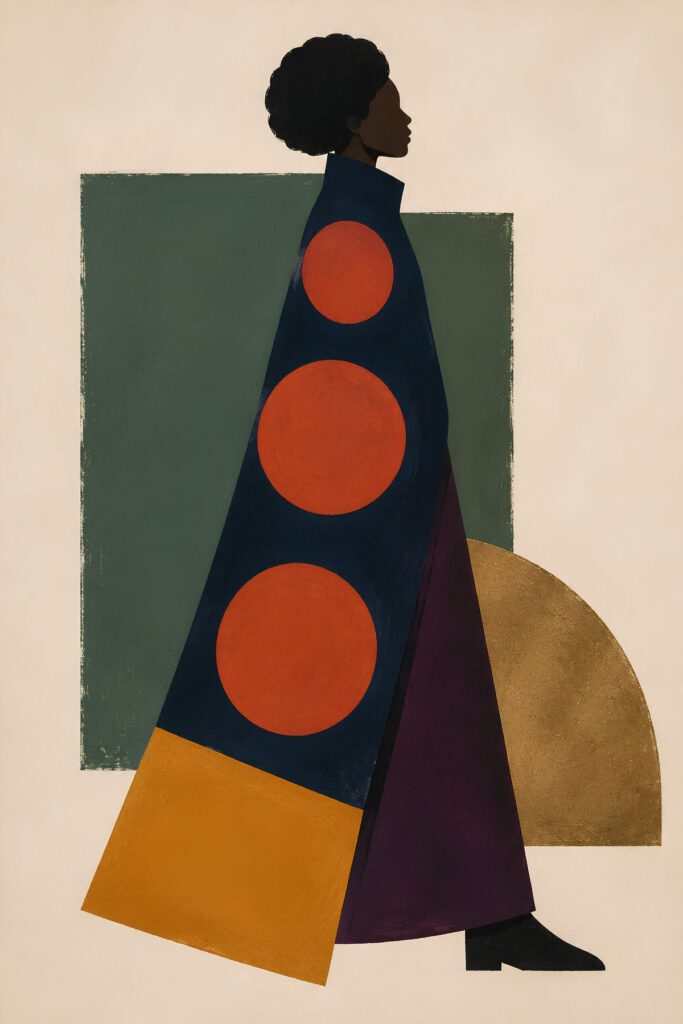
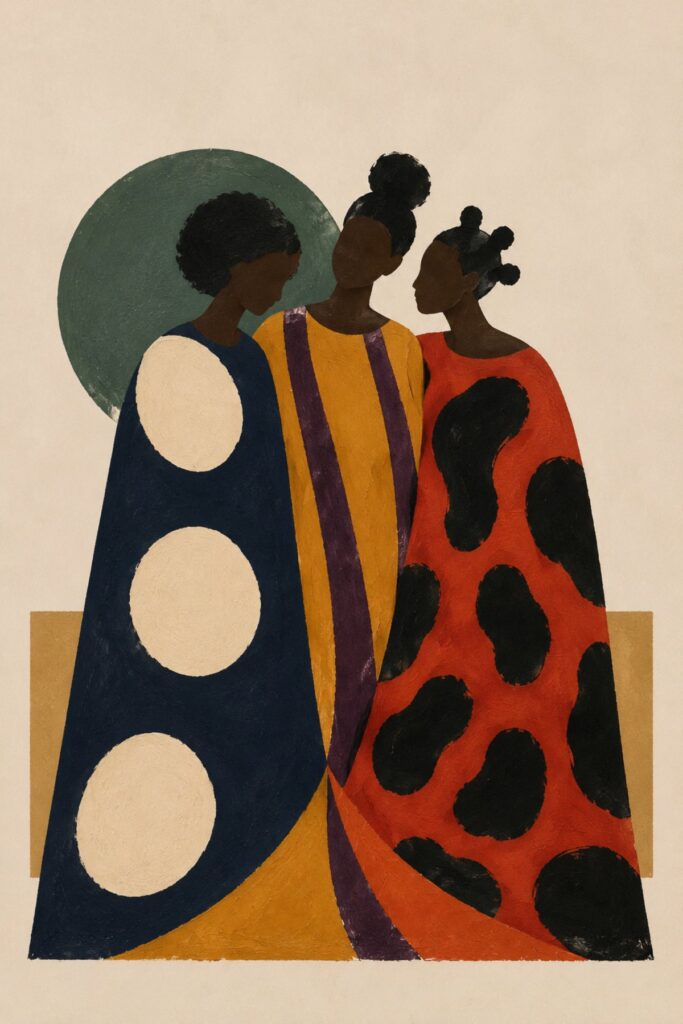
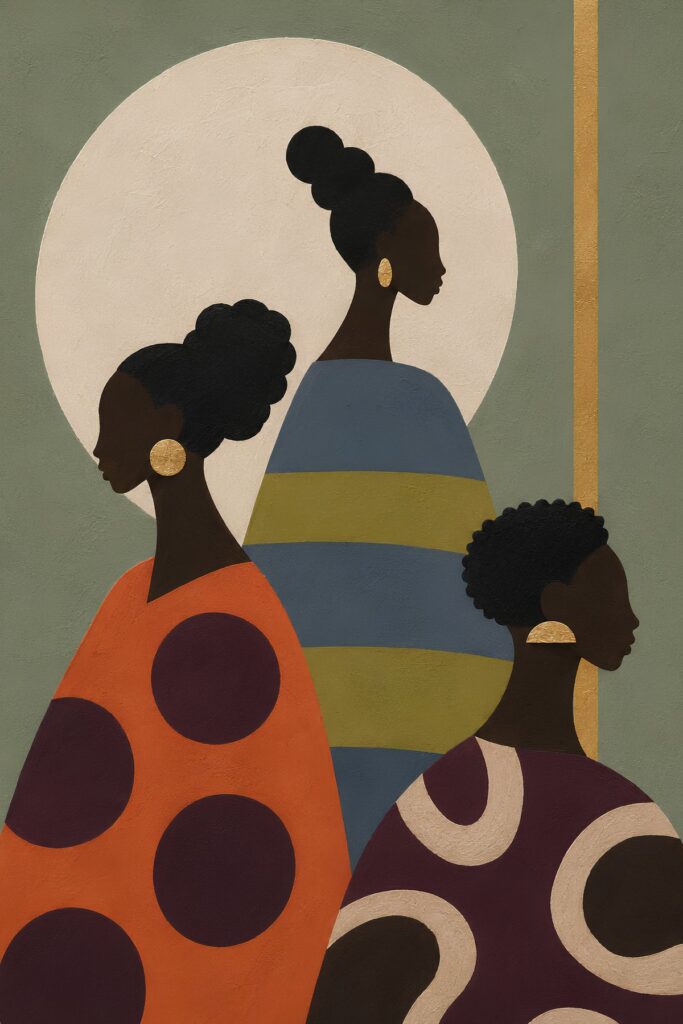
Our own artworks are also printed as throw pillows (from $27) and as framed prints on Fine Art America, so the pillow on the sofa and the art above it can come from the same piece.
Frequently asked questions
How do I tell authentic mudcloth from a printed copy?
Irregular hand-painted lines (perfect repeats mean printing), warm cream base rather than bright white, real fabric weight, a named maker or cooperative, and a price above $50 for a 20×20. An “authentic African mudcloth” pillow under $20 isn’t.
Can mudcloth pillows go in a bedroom?
Yes — one accent pillow or lumbar in front of the plain Euro shams. Beds need calmer pattern math than sofas; one mudcloth voice, everything else texture.
What’s the difference between mudcloth and kente?
Mudcloth (Bògòlanfini) is Malian — hand-dyed cotton in earth-tone geometry. Kente is Ghanaian — hand-woven multicolour strip cloth whose patterns carry named meanings. Different countries, different techniques, both heritage textiles; our African motifs guide walks through both, plus Adinkra.
Where do mudcloth pillows fit in a budget room plan?
As the single splurge-or-save decision. In our $300 afro-boho room plan, the pillow line is $20–40 inspired; the first upgrade when budget grows is swapping that for authentic cloth. Same slot, richer object.
Do the mudcloth symbols mean anything?
Yes — traditional Bògòlanfini patterns encode proverbs, historical events and protective meanings, composed by the maker. Most authentic pillows use traditional motifs without a documented per-pillow meaning, which is fine: you are buying the language, not a specific sentence. If a maker does document the pattern’s meaning, that listing is worth the premium.
Related reading
DIY Mudcloth Pillow Covers: A Beginner’s Sewing Tutorial
Understanding African Textiles Meaning for Home Decor
African Motifs Explained: Adinkra, Kente, and Mudcloth
Afro-Boho Bedroom: A Layered, Earthy Sanctuary Guide
15 Afrocentric Kitchen Ideas for a Warm, Soulful Cooking Space
Closing
A single mudcloth pillow on the right sofa does more visual work than a dozen smaller decor purchases combined. Choose your tone family, decide honestly between authentic and inspired, obey the one-voice rule, and let the wall above answer in the same warm language. Source one well and the room finds its anchor. Then stop — the discipline to own one great pillow instead of five adequate ones is the least photographed and most important styling decision in this entire guide, and the cloth, which spent months being made by hand, has earned that kind of attention.
Shop the Essence of the Road Art collection
Essence of the Road Art on Etsy — full collection
Abstract Africa Wall Art Printable (top seller)
Afrocentric Wall Art Set (3) — Earth Tone Terracotta + Africa Map
Adinkra Symbol Wall Art Set — 5 pieces
Free Sankofa Print — join the list, get the file
Shop the Essence of the Road Art collection on fineartamerica.com: